Lighting Upgrade Tips for Every Home and Budget
Lighting Upgrade Tips for Every Home and Budget

TL;DR:
- Replacing incandescent bulbs with ENERGY STAR LEDs can save households around $225 annually on energy bills. Layering lighting with ambient, task, and accent sources enhances room warmth and visual interest, while adding dimmer controls and occupancy sensors reduces energy waste. Starting with a warm 2700K color temperature and modular fixtures ensures affordable, long-lasting, and adjustable home lighting.
Lighting upgrade tips are practical steps that improve your home’s ambiance, functionality, and energy efficiency by integrating LED bulbs, smart controls, and layered lighting design. In the industry, this process is called luminaire retrofitting or lighting redesign, and you do not need an electrician or a major renovation to do it well. ENERGY STAR LEDs save around $225 annually per household on energy costs. That single number makes a strong case for starting your upgrade today.
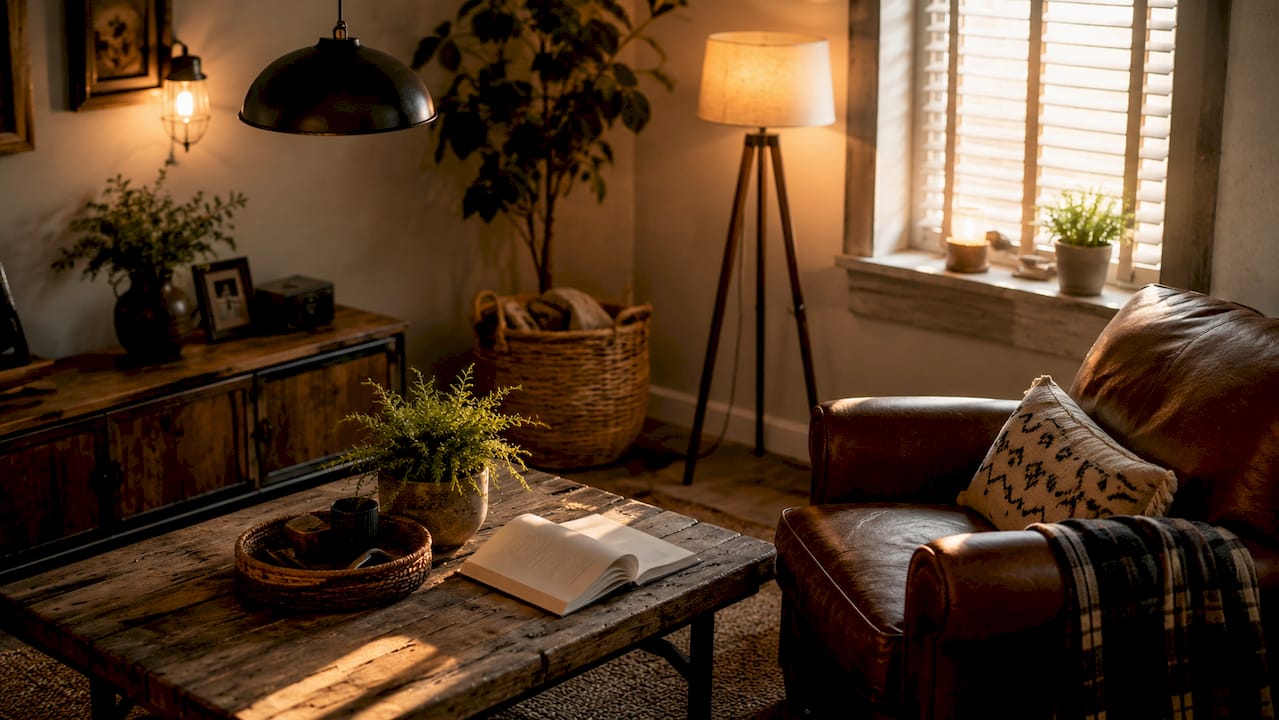
1. Switch to LED bulbs first
The single most impactful lighting upgrade is replacing incandescent bulbs with LEDs. LEDs use up to 90% less energy and last up to 25 times longer than traditional incandescent bulbs. That longevity means fewer trips to the hardware store and far less waste over time.
The math at the bulb level is just as convincing. Replacing a 60W incandescent with a 9W LED saves about $7.80 annually per bulb at three hours of daily use. Multiply that across every fixture in your home and the savings add up fast.
When shopping for LEDs, look for the ENERGY STAR label. ENERGY STAR-qualified bulbs meet strict efficiency and performance standards set by the U.S. Environmental Protection Agency. They also tend to dim more reliably, which matters when you add controls later.
- Choose bulbs rated 2700K–3000K for living rooms and bedrooms
- Use 3000K–3500K in kitchens and bathrooms where clarity matters
- Pick dimmable LEDs from the start, even if you add dimmers later
- Avoid sealed, vendor-locked fixtures that cannot accept replacement bulbs
Pro Tip: Buy one LED bulb before committing to a full room swap. Live with the color and brightness for a week, then buy the rest in bulk.
2. Layer your lighting instead of relying on one overhead fixture
A single overhead light source is a design mistake. It creates flat, harsh spaces that feel more like a waiting room than a home. Proper layered lighting uses at least 2–3 sources per room to build warmth and depth.
The three layers every room needs are ambient, task, and accent lighting. Ambient light provides the overall glow, typically from a ceiling fixture or recessed lights. Task lighting serves specific activities, like reading, cooking, or working. Accent lighting highlights features such as artwork, shelving, or architectural details.
Here is how to build those layers practically:
- Ambient layer: Install a ceiling fixture or use recessed downlights on a dimmer for general illumination.
- Task layer: Add a desk lamp, under-cabinet LED strips, or a floor lamp positioned near your work or reading zone.
- Accent layer: Use picture lights, plug-in sconces, or directional spotlights to draw attention to features you want to highlight.
“Lighting the room perimeter rather than only the center makes the space feel larger.” — Home World Design
This approach works in any room size. A studio apartment benefits from layered lighting just as much as a large living room. The goal is variety in height and intensity, not more watts.
3. Add dimmer controls without rewiring
Dimming is the most important control feature in any home lighting plan. It lets you shift from bright task light to soft evening ambiance without changing a single fixture. Not all LEDs are dimmable, so confirm compatibility before you buy a dimmer switch.
For renters or anyone who wants a no-wiring solution, plug-in dimmers are the answer. These devices sit between your lamp cord and the wall outlet. They cost under $15 at most hardware stores and require zero installation skills.
Smart bulbs from brands like Philips Hue or LIFX go further. They connect to apps and voice assistants like Amazon Alexa or Google Home, letting you adjust brightness and color temperature from your phone. No new wiring is required for smart bulbs since they screw into standard sockets.
- Plug-in dimmers work with floor lamps and table lamps instantly
- Smart bulbs allow scheduling, so lights dim automatically at sunset
- Dimmer switches replace standard wall switches and require a neutral wire in most cases
- Always check that your LED bulb is rated for dimming before installing a wall dimmer
Pro Tip: Set your dimmers to 70–80% brightness for daily use. You extend bulb life and cut energy draw without noticing any real difference in light output.
4. Use smart occupancy sensors to cut energy waste
Smart lighting with occupancy sensors reduces energy use by 20–60% compared to manual controls. The sensor detects when a room is empty and turns the lights off automatically. This is especially useful in hallways, bathrooms, and home offices where lights are frequently left on by accident.
Occupancy sensors come in two main types: passive infrared (PIR) and ultrasonic. PIR sensors detect body heat and work well in smaller rooms. Ultrasonic sensors pick up motion through sound waves and cover larger or oddly shaped spaces better. Most residential sensors use PIR and cost between $15 and $40.
Maximizing natural light works alongside sensors to reduce your overall lighting load. Maximizing natural light can reduce lighting energy use by 30–50%. Keeping window areas clear of heavy furniture and using light-colored window treatments both help. Pair natural light strategies with a practical layout redesign to get the most from every window in your home.
5. Fix your color temperature before anything else
Replacing 4000K overhead lights with 2700K LEDs is the highest-impact, lowest-cost upgrade you can make. High color temperature bulbs produce a cold, clinical light that makes rooms feel sterile. Warm 2700K light resembles candlelight and makes any space feel domestic and comfortable.
Color temperature is measured in Kelvin (K). The lower the number, the warmer and more amber the light. The higher the number, the cooler and bluer it appears. Here is a quick reference:
| Color Temperature | Appearance | Best Use |
|---|---|---|
| 2700K | Warm white, amber glow | Living rooms, bedrooms |
| 3000K | Soft white | Kitchens, bathrooms |
| 3500K | Neutral white | Home offices, garages |
| 4000K+ | Cool white, clinical | Not recommended for living spaces |
Most homes built before 2010 have a mix of bulb types installed at different points, which creates color inconsistency from room to room. Standardizing to 2700K throughout your main living areas creates a coherent, welcoming feel that no amount of furniture rearranging can replicate.
6. Position fixtures based on activity zones, not room geometry
Lighting placement should prioritize furniture layout and activity zones over symmetrical placement at the room’s center. A ceiling fixture centered in a living room often ends up directly above a coffee table, leaving the sofa and reading chair in relative shadow.
Task lighting placement follows ergonomics. Bathroom vanity lights should flank mirrors at face height rather than sit overhead. Overhead vanity lights cast shadows under your eyes and chin, which makes grooming tasks harder. Side-mounted sconces at roughly 60 inches from the floor solve this completely.
For desks and workspaces, position your lamp to the side of your non-dominant hand. This keeps the light source out of your line of sight and prevents your writing hand from casting a shadow across your work. Under-cabinet LED strips in kitchens follow the same logic. They illuminate the countertop directly where you prep food, not the top of your head.
Under-cabinet plug-in LED strips require no wiring and install with adhesive backing in minutes. They are one of the best affordable lighting solutions for renters who cannot make permanent changes. For more ideas on layering light by zone, Vibemyflat covers the full approach in detail.
7. Choose modular, repairable fixtures for long-term value
LED lighting products should be modular and repairable to extend product life and reduce waste. Sealed fixtures that cannot accept replacement bulbs force you to discard the entire unit when the LED array fails. That adds cost and generates unnecessary waste.
When buying new fixtures, check whether the light source is replaceable. Fixtures that accept standard E26 screw-base bulbs give you full control over color temperature, brightness, and bulb brand. Integrated LED fixtures with proprietary drivers are harder to repair and often cost more to replace.
The IEA describes this as circular lighting design. Circular systems lower lifecycle costs and reduce material demand over time. For homeowners planning a longer-term upgrade, choosing repairable fixtures from the start is a smarter financial decision than buying sealed units at a lower upfront price.
Pro Tip: Before buying any new fixture, search the model number plus “replacement bulb” or “driver replacement.” If no results appear, the fixture is likely sealed and difficult to repair.
8. Use vertical light distribution to prevent flat rooms
Vertical distribution of lighting means placing fixtures at ceiling, mid-level, and low-level heights throughout a room. Most homes rely entirely on ceiling fixtures, which creates a top-heavy light distribution that flattens the room visually. Adding mid-level and low-level sources fixes this immediately.
Mid-level sources include table lamps, plug-in wall sconces, and pendant lights hung at eye level. Low-level sources include floor lamps, LED strip lights along baseboards, and accent lights placed on shelves or inside cabinets. Each level adds a distinct layer of warmth and visual interest.
This approach costs very little. A $30 floor lamp from IKEA or Target placed in a dark corner does more for a room’s ambiance than a $200 ceiling fixture swap. The goal is distributing light across the full vertical height of the room, not just washing the floor from above. For renter-friendly lighting upgrades that require no drilling or wiring, plug-in options cover every level.
Key takeaways
The most effective home lighting upgrades combine LED efficiency, layered design, warm color temperatures, and smart controls to improve ambiance and cut energy costs without major renovation.
| Point | Details |
|---|---|
| Switch to ENERGY STAR LEDs | LEDs use up to 90% less energy and save around $225 annually per household. |
| Layer at least 3 light sources | Use ambient, task, and accent lighting in every room to avoid flat, uninviting spaces. |
| Fix color temperature first | Swapping 4000K bulbs for 2700K LEDs is the fastest way to make a room feel warm. |
| Add dimmers and sensors | Plug-in dimmers and occupancy sensors reduce energy use with no wiring required. |
| Choose modular fixtures | Repairable, replaceable fixtures lower long-term costs and reduce waste. |
What I actually think about lighting upgrades
Most people spend money on paint, furniture, and decor before they touch their lighting. That is the wrong order. Lighting determines how every other element in a room looks and feels. A beautiful sofa under a cold 4000K overhead fixture looks flat and uninviting. The same sofa under warm 2700K layered light looks like a magazine photo.
The fix is almost always cheaper than people expect. Swapping bulbs costs a few dollars per socket. A plug-in dimmer costs less than a takeout meal. A floor lamp from a discount retailer transforms a dark corner in minutes. The upgrades that cost the most, like smart home systems or custom fixtures, are optional extras, not requirements.
The one mistake I see constantly is buying sealed, integrated LED fixtures because they look sleek. Three years later, the LED array fails and the entire fixture goes in the trash. Modular fixtures with standard bulb sockets are less exciting on the shelf but far smarter over a five-year horizon. The IEA’s circular lighting guidance makes this point clearly, and it applies just as much to a bedroom lamp as to a commercial building.
Start with color temperature. Add layers. Then add controls. In that order, you will transform your home’s lighting without spending more than $100 in most rooms.
— Hello
See your lighting ideas before you commit
Choosing the right fixtures, color temperatures, and layouts is much easier when you can see the result before buying anything.

Vibemyflat lets you upload a photo of any room and visualize lighting changes instantly using AI. Describe what you want in plain language, such as “warmer light” or “add a floor lamp in the corner,” and the platform renders a realistic result in under 30 seconds. No design skills are needed. Vibemyflat works on iOS, Android, and desktop, so you can experiment from anywhere. Try Vibemyflat to plan your next lighting upgrade with confidence before spending a dollar.
FAQ
What is the easiest lighting upgrade for renters?
Swapping standard bulbs for dimmable 2700K LEDs and adding plug-in dimmers to existing lamps requires no wiring and no landlord approval. Under-cabinet plug-in LED strips are equally simple and removable.
How much can LED lighting actually save?
ENERGY STAR LEDs save around $225 annually per household compared to incandescent bulbs. Each 60W bulb replaced with a 9W LED saves roughly $7.80 per year at typical usage rates.
What color temperature is best for living rooms?
2700K is the best choice for living rooms and bedrooms. It produces a warm, amber-toned light that feels comfortable and flattering, similar to the glow of an incandescent bulb.
Do smart bulbs work without a smart home hub?
Most modern smart bulbs from Philips Hue, LIFX, and similar brands connect directly to your home Wi-Fi and work through a smartphone app without requiring a separate hub. Some advanced features may need a hub for full functionality.
How many light sources does a room actually need?
At least 2–3 light sources per room are needed to avoid flat, uninviting lighting. One ambient source, one task source, and one accent source cover the basics for most living spaces.