Smart Home Design: What It Means in 2026
Smart Home Design: What It Means in 2026
TL;DR:
- Smart home design integrates connected technologies into a home’s architecture to create efficient, cohesive living spaces. It emphasizes early planning, open-standard protocols, and invisible systems that support wellness and sustainability. Properly designed smart homes enhance comfort, security, and resale value through seamless automation and infrastructure planning.
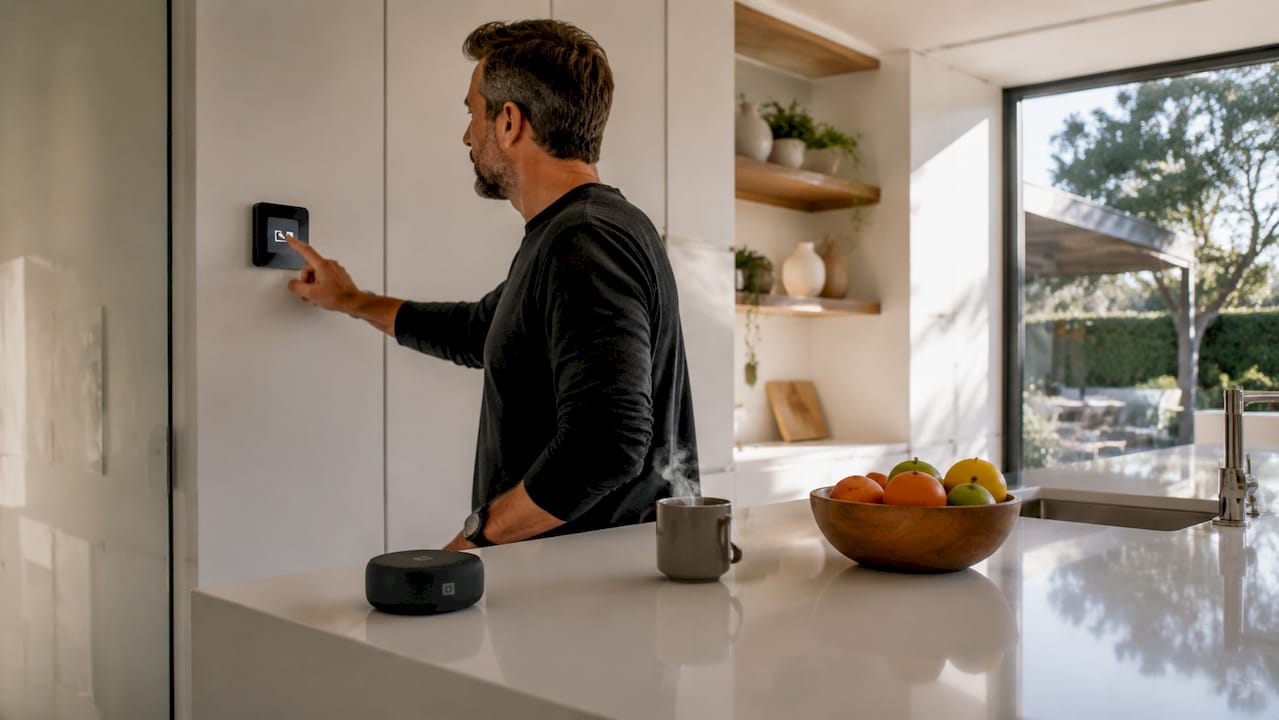
Smart home design is defined as the intentional planning and integration of connected technologies into a home’s physical structure to create a living environment that is comfortable, efficient, and visually cohesive. This goes far beyond buying a smart speaker or a Wi-Fi thermostat. True smart home design treats technology as architecture, embedding systems into walls, ceilings, and infrastructure from the earliest planning stages. The global smart home market reached $164.13 billion in 2026, which confirms this is now standard practice, not a luxury upgrade. Protocols like Matter and the rise of AI-driven, zero-UI environments are reshaping what homeowners expect from their living spaces.
What is smart home design and what systems does it include?
Smart home design is the practice of building connected systems into a home’s architecture so they work together as one unified environment. The key word is integrated. A standalone smart bulb is a gadget. A lighting system that responds to your schedule, adjusts for circadian rhythm, and coordinates with your HVAC and window shades is smart home design.
The core systems that make up a well-designed smart home include:
- Lighting control: Automated, dimmable, and color-tunable systems tied to schedules, occupancy sensors, or voice commands
- HVAC automation: Presence-sensing climate control that adjusts temperature room by room based on occupancy and time of day
- Security and access: Integrated cameras, smart locks, motion sensors, and alert systems managed from a single interface
- Audio and entertainment: Whole-home audio distributed through in-wall or in-ceiling speakers, controlled centrally
- Energy management: Smart panels, solar integration, battery storage, and automated load balancing
- Network infrastructure: Structured cabling, mesh Wi-Fi, and dedicated hubs that tie every system together
Each of these systems needs to be planned during the architectural phase, not added later. Structured cabling and hub placement decided during framing prevents costly retrofits and keeps walls clean. Interoperability is the other critical factor. Unified protocols like Matter, backed by Apple, Google, Samsung, and Amazon, allow devices from different brands to communicate without multiple competing hubs.
Pro Tip: Avoid proprietary ecosystems that lock you into one brand. Open-standard protocols like Matter give you the freedom to upgrade individual components without replacing your entire system.
How is smart home design changing residential spaces in 2026?
The defining shift in 2026 is the move from visible technology to invisible technology. The best-designed smart homes no longer look like tech showrooms. They look like beautifully designed homes that happen to respond intelligently to the people living in them.
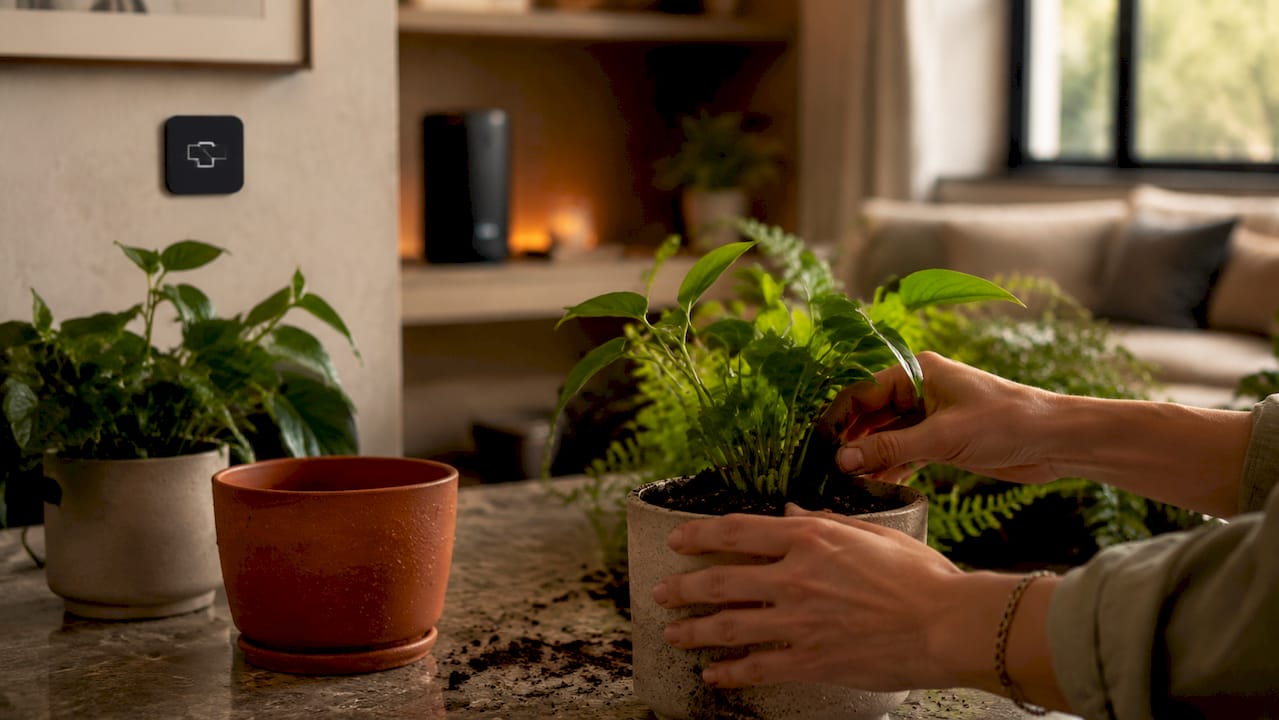
Luxury in 2026 means frictionless living, where AI anticipates your needs before you act. This is the zero-UI concept: no screens to tap, no apps to open, no voice commands required. The home learns your patterns and adjusts automatically. Lights dim as you wind down for the evening. The thermostat shifts before you wake up. The coffee starts when your alarm goes off.
Several specific trends are defining smart home architecture right now:
- Invisible audio: Vibrational sonic panels and in-wall speakers replace visible speaker boxes, delivering clean interior design without sacrificing sound quality
- Hidden charging: Induction charging surfaces built into countertops and furniture eliminate cable clutter entirely
- Circadian lighting: Systems that shift color temperature throughout the day to support sleep cycles and mental clarity
- Air quality management: Sensors that monitor CO2, humidity, and particulates, then automatically adjust ventilation
- Energy optimization: AI-driven systems that track usage patterns and reduce consumption without manual input
Smart home design now prioritizes wellness and sustainability as core design goals, not optional add-ons. Homeowners and architects are treating air quality, light quality, and energy use as fundamental to how a home performs.
Pro Tip: Plan conduit paths and cable routes during framing, not after drywall goes up. Retrofitting technology after construction compromises both aesthetics and performance, and it costs significantly more.
How to design a smart home: practical steps for homeowners
The single most important rule in smart home design is to start early. Retrofitting smart technology after construction is always more expensive, more disruptive, and less visually clean than planning it from the start.
Here is a practical sequence for homeowners and builders approaching a smart home project:
-
Define your priorities first. Decide which systems matter most to your lifestyle. Security, energy savings, comfort, and entertainment each require different infrastructure investments. Rank them before specifying any technology.
-
Plan infrastructure during design. Work with your architect or contractor to route conduit, run structured cabling, and designate hub locations before walls close. This is the single decision that separates a true smart home from a collection of gadgets.
-
Choose open-standard protocols. Specify devices and systems that support Matter or other open standards. This protects your investment and keeps future upgrades simple. Avoid systems that require proprietary hubs or subscriptions to function.
-
Design for scalability. Run more cable than you think you need. Install larger conduit than current plans require. Future technology will demand more bandwidth and more connection points than today’s devices do.
-
Conceal technology intentionally. Work with your interior designer to plan where screens, panels, and devices will live. Recessed mounting, in-wall installation, and furniture integration keep spaces looking clean. A practical interior design guide covers device aesthetics and tech integration in detail.
-
Secure your network. A smart home is only as secure as its network. Use a dedicated VLAN for smart devices, enable two-factor authentication on all control apps, and update firmware regularly.
Pro Tip: Hire an integrated design professional, sometimes called a systems integrator, who coordinates with your architect, electrician, and interior designer. Miscommunication between trades is the most common cause of smart home installation failures.
What are the real benefits of smart home design?
The benefits of smart homes are concrete and measurable across comfort, security, health, and financial value. Smart home benefits include remote control, automation, energy efficiency, enhanced security, and support for accessibility needs. Each of these translates directly into daily quality of life.
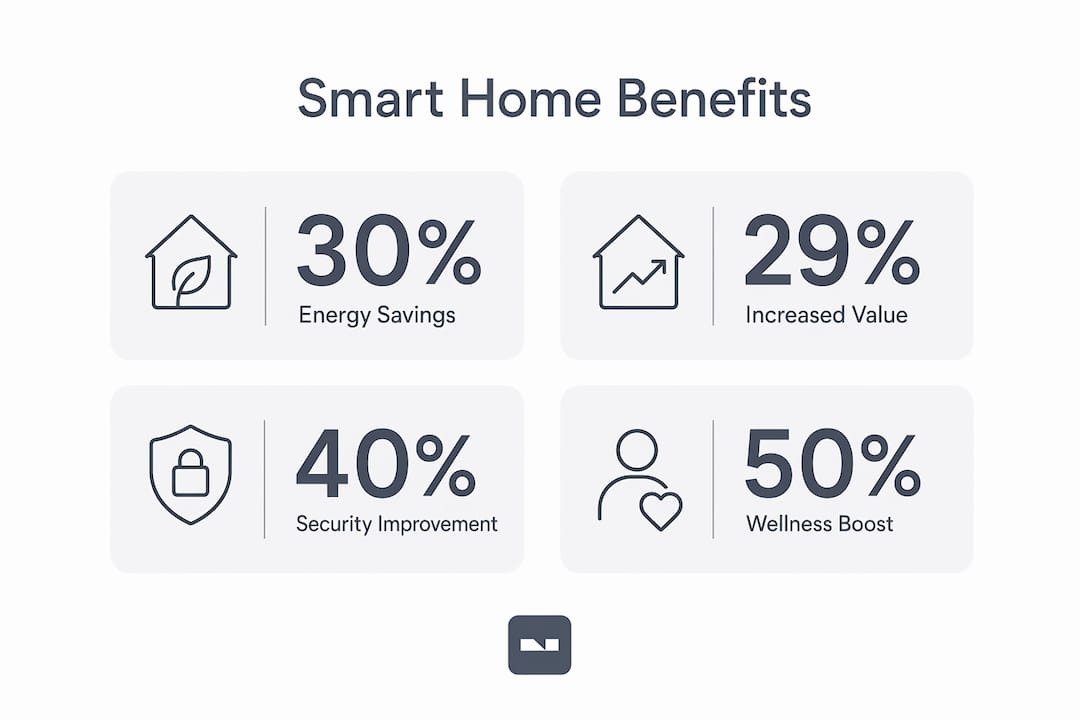
Energy savings are among the most immediate returns. Automated HVAC, smart lighting, and energy management systems reduce consumption by adjusting to actual occupancy rather than fixed schedules. A home that heats and cools only the rooms in use wastes far less energy than one running on a single thermostat.
Security improvements are equally tangible. Integrated systems combine cameras, smart locks, motion sensors, and instant alerts into one interface. You can check your front door from another country, grant access to a delivery driver, and receive a notification if a sensor triggers, all from your phone.
The financial case is strong too. 29% of home buyers in 2026 are willing to pay a premium for homes with integrated smart technology. That buyer demand translates directly into resale value for homeowners who invest in well-designed systems.
Key benefits by homeowner type:
- Families: Automated security, remote monitoring, and child-safe access controls
- Remote workers: Optimized lighting and air quality for focus and productivity
- Sustainability-focused homeowners: Energy tracking, solar integration, and reduced grid dependence
- Aging in place: Voice control, fall detection, and automated lighting for safety and independence
- Property investors: Higher resale value and stronger buyer appeal in competitive markets
The AI-powered design visualization process can help homeowners see how smart systems will look and function before committing to installation, which reduces costly changes mid-project.
Key Takeaways
Smart home design is an architectural discipline, not a product category. The homes that perform best in 2026 treat technology as infrastructure, planned from the foundation up.
| Point | Details |
|---|---|
| Start during architecture | Plan cabling, hubs, and conduit before walls close to avoid costly retrofits. |
| Use open protocols | Matter-compatible devices protect your investment and simplify future upgrades. |
| Invisible tech is the standard | Vibrational panels, hidden chargers, and in-wall systems keep spaces visually clean. |
| Benefits are measurable | Energy savings, security, wellness, and resale value all improve with integrated design. |
| 29% buyer premium | Nearly a third of 2026 buyers will pay more for homes with smart technology built in. |
Why I think most people approach smart home design backwards
Most homeowners I talk to start with a product. They buy a smart lock, then a smart thermostat, then a lighting kit, and eventually they have a collection of apps that barely talk to each other. That is not smart home design. That is gadget accumulation.
The homes that actually work, the ones where everything feels effortless, are the ones where technology was treated as part of the architecture from day one. The wiring was planned. The hub was placed deliberately. The lighting system was specified alongside the fixtures, not after them.
What excites me most about 2026 is the direction toward zero-UI. The idea that your home simply knows what you need, without you touching a screen or saying a word, is genuinely compelling. Circadian lighting that shifts automatically, HVAC that responds to presence, audio that follows you through rooms. These are not science fiction features. They are available right now, but only if the infrastructure was built to support them.
The biggest mistake I see is treating smart home design as a phase two project. “We’ll add the tech after we move in.” That decision costs more money, creates visible clutter, and limits what the system can actually do. The design principles for real estate that work best all share one trait: technology is considered from the first sketch, not the last.
Plan early. Choose open standards. Hire someone who coordinates across trades. The result is a home that feels effortless because it was designed to be.
— Hello
Visualize your smart home before you build it
Committing to a smart home design without seeing how it will look is one of the most common sources of expensive regret. Vibemyflat gives homeowners a way to visualize interior changes, including lighting setups, wall configurations, and room layouts, before a single wire is run.
Using Vibemyflat’s AI-powered photo editing, you describe the changes you want in plain language and receive professional-quality visual results in under 30 seconds. That means you can test how recessed lighting looks in your living room, how a minimalist control panel fits your kitchen aesthetic, or how a redesigned layout supports your smart home plan, all before committing to construction. Visit Vibemyflat to start visualizing your space today.
FAQ
What is smart home design in simple terms?
Smart home design is the practice of planning and embedding connected technology into a home’s structure so all systems work together automatically. It differs from buying individual smart gadgets by focusing on infrastructure, interoperability, and aesthetics from the start.
What is the Matter protocol and why does it matter?
Matter is an open-standard protocol backed by Apple, Google, Samsung, and Amazon that allows smart home devices from different brands to communicate without separate hubs. It protects your investment by preventing brand lock-in and simplifying future upgrades.
When should smart home planning begin?
Smart home planning should begin during the architectural design phase, before construction starts. Early planning allows for proper cable routing, hub placement, and conduit sizing, all of which are far more expensive and disruptive to add after walls are closed.
Do smart home features increase property value?
Yes. 29% of home buyers in 2026 are willing to pay a premium for homes with integrated smart technology, making it a measurable factor in resale value and buyer appeal.
What is zero-UI in smart home design?
Zero-UI refers to a smart home environment where technology responds to occupants automatically, without screens, apps, or voice commands. The system learns patterns and adjusts lighting, temperature, and other systems proactively based on behavior and presence.